Articles · General information
What Evidence Helps After a California T-Bone Accident?
A T-bone collision can leave you with urgent questions about what happened, who saw it, and how to protect useful information. If you are searching for t bone accident evidence california, begin with a practical principle: no single photograph, statement, or report automatically resolves responsibility. A careful investigation compares the scene, vehicle damage, witness accounts, official records, medical information, and available electronic evidence.
What evidence may help explain a California T-bone accident?
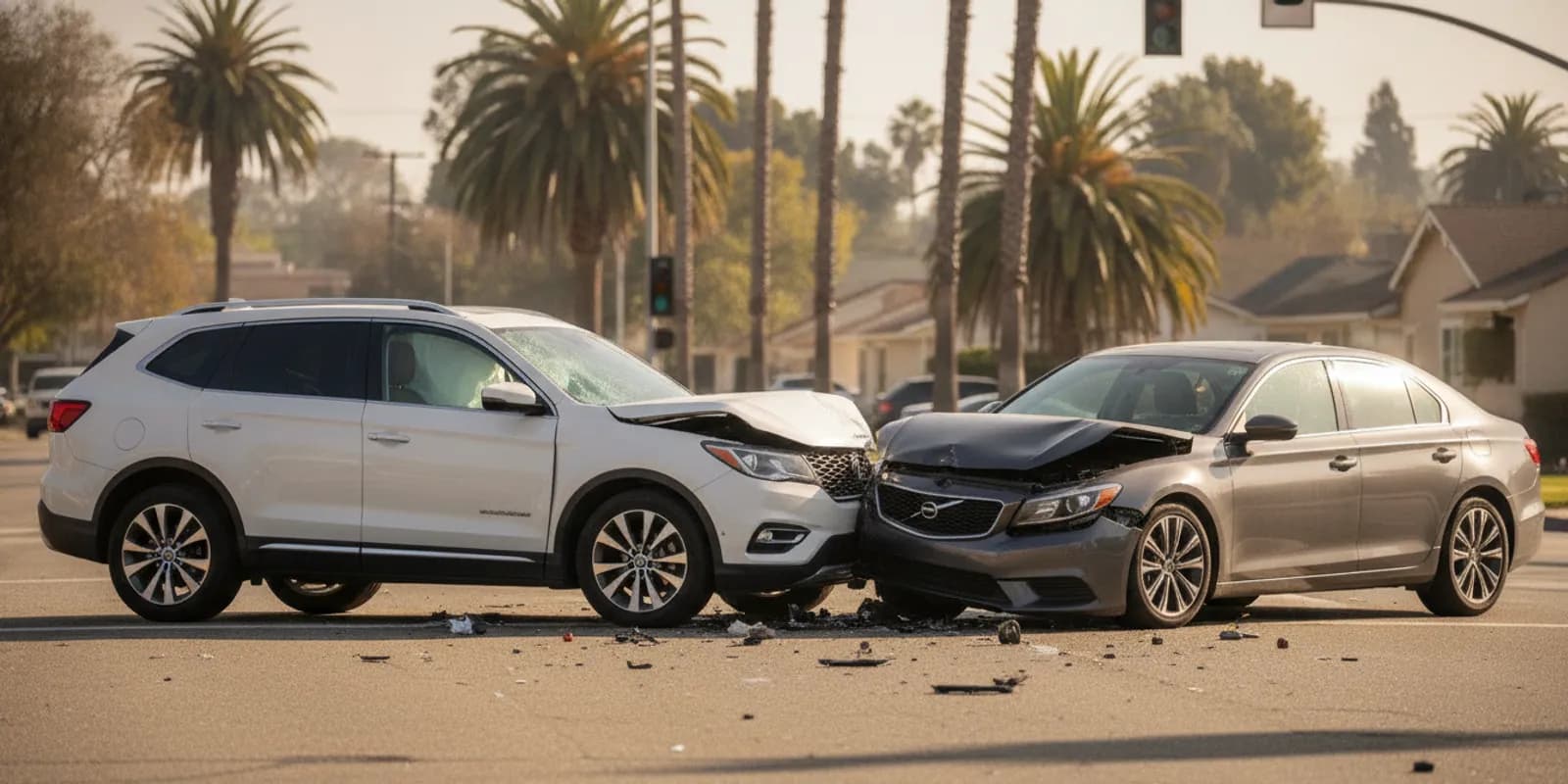
A T-bone crash usually means the front of one vehicle strikes the side of another. It can happen at a signalized intersection, a stop-controlled crossing, a driveway, a parking-lot exit, or another point where vehicles cross paths. The description of the impact is important, but it does not by itself show which driver had the right of way, whether a signal was visible, or whether another circumstance affected the collision.
Investigators may consider several categories of information together:
- Scene evidence: Photographs or video may show vehicle positions, debris, lane markings, traffic signals, stop signs, lighting, sight lines, road conditions, and nearby obstructions.
- Witness accounts: A person who saw the vehicles before impact may have information about direction, speed, a turn, a signal, or a driver’s conduct. Preserve contact details promptly because people may move or memories may change.
- Official records: An incident report may identify the parties, witnesses, observations, and statements recorded at the scene. It is one source of information, not necessarily the final answer to every disputed fact.
- Vehicle evidence: The location and pattern of damage, inspection findings, towing records, and repair documentation may help explain the mechanics of the impact.
- Medical and financial records: Treatment records, bills, work information, and related documents may help organize what happened after the collision and how symptoms affected daily life.
- Electronic information: A vehicle system, dash camera, cellphone video, nearby business camera, traffic camera, or fleet system may contain relevant information when it exists and remains available.
Think of these materials as pieces of a timeline. For example, damage to a passenger door may be consistent with a side impact, but it does not alone establish which vehicle entered the intersection improperly. A witness may remember a green light, but the account should be compared with the intersection layout, other witnesses, vehicle positions, and any available video.
What should you do at the crash scene?
Safety and medical needs come first. Do not walk into traffic, stand near an unsafe vehicle, or delay emergency care to collect evidence. If you can document information without creating another danger, use a simple sequence.
- Get to a safe position. Follow emergency instructions and move away from traffic when possible. Call emergency services when anyone needs medical attention or the situation requires official assistance.
- Observe before the scene changes. If it is safe and lawful, take wide photographs showing the roadway, intersection, vehicle positions, signs, signals, lane markings, and surrounding area. Then take closer photographs of each vehicle and visible damage.
- Record basic facts. Note the date, approximate time, location, direction of travel, weather, lighting, and what you personally remember. Separate direct observations from information someone else gave you.
- Identify witnesses. Ask for names and reliable contact information. If appropriate, note where each witness was standing or traveling. Do not tell a witness what to say or argue about the correct version of events.
- Exchange required information. Follow official instructions and preserve the information you receive. Avoid debating fault at the scene, especially if people are injured or upset.
- Keep a record of what follows. Save report information, tow paperwork, claim details, photographs, messages, and medical documents in one place.
If you were transported for treatment or were too shaken to take photographs, that does not mean there is no evidence. A passenger, witness, responding officer, tow operator, repair facility, or nearby camera may provide other sources. Do not return to an unsafe scene merely to obtain an image.
Which intersection details can matter?
The seconds before a T-bone collision can be as important as the point of impact. Write down whether each vehicle was traveling straight, turning, entering from a driveway, leaving a parking area, or crossing from another road. Also consider whether a vehicle was in a dedicated turn lane, whether a stop sign or signal controlled the movement, and whether a parked vehicle, vegetation, construction, or darkness affected visibility.
Photographs should show more than the damaged doors. Take a wide view from each relevant approach when it can be done safely. Capture the traffic-control device, lane configuration, crosswalk, curb, shoulder, median, signs, and any obstruction that could affect what a driver could see. If the roadway was wet or covered with debris, document that condition without disturbing it.
Signal timing may become an issue when drivers give different accounts. Record what you remember, but do not convert uncertainty into certainty. You may remember that a light was green without being able to say how long it had been green or what the other signal displayed. A candid note such as “I recall seeing green, but I do not know when it changed” is more reliable than an embellished account.
Nearby businesses, residences, transit vehicles, and other motorists may have cameras. Note the location of each possible camera and the approximate period in which footage would be useful. Do not trespass, confront a property owner, or attempt to access a system without authorization. The owner may have a retention policy, and footage may not remain available indefinitely.
How should you preserve photographs, video, and messages?
Preservation is more than taking a picture. Keep the original file whenever possible and retain information showing when and where it was created. Do not edit, crop, filter, annotate, or overwrite the only copy. If you send an image to someone, keep the original on the device or in a separate backup.
A basic evidence log can be simple. For every item, record:
- What the item is, such as “wide photograph facing north” or “repair estimate dated May 4.”
- Who created or supplied it.
- When it was created or obtained.
- Where the original is stored.
- What question the item may help answer.
For example, a phone video may show the roadway but not identify the exact time. A separate message from the person who recorded it may provide context. Keep both, and do not rely on a screen recording if the original file is available. When a social-media post or message relates to the crash, preserve the full exchange and date rather than only a cropped excerpt.
| Evidence category | What it may help clarify | Practical preservation step |
|---|---|---|
| Scene photographs | Road design, vehicle positions, signs, signals, visibility, and debris | Keep original files and note the location, direction, and approximate time |
| Witness information | What another person observed before or during impact | Record contact details and where the witness was located |
| Incident report | Parties, reported statements, observations, and initial scene information | Keep a complete copy and separately note possible errors or omissions |
| Vehicle and repair records | Damage location, inspection findings, towing, and repair history | Save estimates, invoices, photographs, and storage paperwork together |
| Video or electronic data | Timing, movement, or recorded events when available | Identify the source and time window promptly; do not alter the original |
| Medical and work records | Treatment chronology, reported symptoms, and effects on daily activities | Keep dated records, bills, notes, and communications in sequence |
Use a backup that is separate from your phone. A cloud folder, external drive, or another secure location can help if the phone is lost or damaged. Keep a note identifying which copy is the original. If you give materials to an insurer, repair facility, or attorney, retain a copy of what you provided and the date it was sent.
What can vehicle damage and inspection evidence show?
Side-impact damage can help describe where contact occurred and may assist an appropriately qualified investigator in evaluating the collision mechanics. Photograph the outside of the vehicle from multiple angles, including the full side, wheel area, windows, roofline, front and rear corners, and any visible marks on the other vehicle. If airbags deployed or glass broke, document those conditions when safe.
Do not assume that an informal opinion from a passerby answers a technical question. Likewise, do not remove damaged parts, discard the vehicle, or authorize repairs without considering whether photographs, an inspection, or other documentation may be important. If the vehicle is towed or stored, keep the tow receipt, storage location, release paperwork, and repair estimate.
Before-and-after records can be useful for organization. Keep the initial damage photographs separate from photographs taken after disassembly or repair, and label each set. Save estimates from the repair facility and note whether an item was inspected, repaired, replaced, or left untouched. The goal is not to create a conclusion; it is to preserve an accurate history of the vehicle.
What should you know about camera footage and vehicle data?
Some vehicles may store information connected to a collision, but the available data varies by vehicle, system, event, and access process. A dash camera may record continuously, overwrite older files, or save only when a collision is detected. A nearby business camera may point toward the road but not capture the approach that matters. Treat possible electronic evidence as time-sensitive, not guaranteed.
Make a list of possible sources as soon as you can. Include the camera location, owner or business name if known, direction it faces, and the approximate period to preserve. For a dash camera, identify the vehicle and driver if known. For a vehicle system, keep the vehicle in its current condition long enough to discuss whether an inspection or data-preservation step is appropriate.
Do not attempt to bypass passwords, remove a device, or pressure a private owner to release footage. Access and retention rules differ. An attorney may be able to discuss an appropriate request or preservation process based on the circumstances.
How do medical and insurance records fit into an evidence file?
Evidence about the crash and evidence about what followed are related but different. Seek medical attention when needed and follow your healthcare provider’s instructions. Keep appointment summaries, discharge paperwork, prescriptions, bills, referrals, and notes about changes in your daily activities. These records can help organize a treatment timeline, but they do not independently determine how the collision occurred.
Insurance correspondence can establish dates and identify questions that require attention. Save letters, emails, claim numbers, estimates, payment records, and notes of telephone calls. In a call note, record the date, the person or department involved, the subject discussed, and any requested follow-up. Be accurate. If you do not remember a detail, say that you do not remember rather than guessing. For official California information about collision reporting, review the California DMV collision reporting guidance and confirm what requirements apply to your circumstances.
Before giving a recorded statement or signing a document, make sure you understand what is being requested. You may ask questions and seek legal guidance if you are unsure how a response could affect your situation. For broader information about available personal-injury support, see Mamanne Law’s personal injury overview and personal injury FAQs.
What mistakes can make evidence harder to use?
Many evidence problems arise from delay or confusion rather than bad intent. A person may lose the original photograph, forget which witness stood where, or describe a belief as though it were a direct observation. A dated, honest record made soon after the collision can help prevent those problems.
- Do not alter or delete original photographs, videos, messages, or documents.
- Do not post speculation about fault, injuries, or the investigation online.
- Do not coach witnesses or ask them to repeat a particular account.
- Do not assume the first report, one witness, or vehicle damage alone resolves the dispute.
- Do not delay medical care or place yourself in danger to gather evidence.
- Do not discard a damaged vehicle or repair records before considering whether documentation is needed.
- Do not ignore a request or deadline in official or insurance paperwork; confirm what applies to your circumstances.
If you find an error in a report or record, preserve the original. Make a separate note identifying the error, explaining why you believe it is inaccurate, and attaching any information that may help clarify it. Changing the original can make the history harder to understand.
How can an attorney help organize a T-bone crash investigation?
An attorney may review the available evidence as a connected timeline rather than relying on one detail. Depending on the circumstances, that review may include photographs, reports, witness information, vehicle damage, medical records, insurance communications, and possible camera or vehicle data. An attorney may also discuss how to preserve evidence, communicate with insurers, and identify questions that remain unresolved.
Mamanne Law is a boutique, attorney-led California personal injury firm. Its car accident practice addresses motor-vehicle matters, and the firm describes support from claims reporting and investigation through property damage, paperwork, insurance discussions, and case resolution. Benjamin Mamanne is personally involved in client communication and case strategy. You can learn more through the firm’s about page and Benjamin Mamanne profile.
A consultation is an opportunity to explain what you know, identify what you do not know, and ask how the evidence may be reviewed. Consider bringing your timeline, photographs, report information, insurance correspondence, witness details, repair documents, and medical records. You can also ask who will communicate with you, how updates are handled, and what the written fee agreement says. Mamanne Law states that clients pay no upfront legal fees and pay nothing unless the firm recovers compensation; the specific terms should be discussed and confirmed in writing. No result can be promised.
What happens after you contact Mamanne Law?
You can share the basic facts of the collision and the materials you have collected. Mamanne Law serves clients across California, with a primary focus on Northridge, the San Fernando Valley, and Greater Los Angeles. Consultations may be available in person or virtually, and the firm offers English and Spanish communication. When circumstances require it, ask about available at-home or hospital consultation arrangements.
Before the conversation, write down your three most important questions. One might concern a missing camera recording. Another might concern a repair inspection. A third might concern an insurance request. A short list can help you use the conversation productively even if you are still uncertain about parts of the timeline. You can also review the firm’s request-a-call-back page or its personal injury resources for additional general information.
Contact Mamanne Law to discuss your situation
Frequently Asked Questions
Does vehicle damage prove who caused a T-bone accident?
No. Damage may help show where the vehicles made contact and may assist with evaluating the collision mechanics, but it does not necessarily establish right of way, signal status, visibility, or every driver action. It should be considered with the other available evidence.
What if I did not take photographs at the scene?
Look for other sources instead of assuming the evidence is gone. Witnesses, an incident report, tow and repair records, medical records, other occupants, and nearby cameras may provide useful information. Do not return to an unsafe location just to take photographs.
Can I obtain nearby camera footage myself?
You may ask an owner whether footage exists, but access depends on the system, owner, and applicable rules. Record the camera location and likely time window promptly. Do not trespass, bypass security, or assume that a recording will be kept indefinitely.
What should I do if I do not remember every detail?
Write down what you do remember and identify uncertain points as uncertain. Do not fill gaps with guesses. Preserving contemporaneous notes, photographs, records, and communications may help organize the timeline without overstating your memory.
When should I discuss the evidence with an attorney?
You may request an evaluation when you have questions about evidence, an insurance communication, vehicle preservation, or next steps. Deadlines and legal issues vary by situation, so a general article cannot determine what applies to your claim.
Carefully preserving information can make it easier to explain a California T-bone collision, identify unanswered questions, and decide what next step is appropriate for your circumstances.