
Articles · General information
Personal Injury Lawyer in Sherman Oaks, CA: Fighting for Your Rights
Learn what to expect from a Los Angeles personal injury lawyer, what to bring to an evaluation, and how attorney-led support can guide your next steps.
If you are searching for a personal injury lawyer Los Angeles residents can turn to after a traffic collision, it helps to know what meaningful representation should look like. You may be managing pain, missed work, vehicle damage, and calls from insurance companies at the same time. A clear process and direct communication can make the next steps easier to understand.
A lawyer cannot promise a particular result. But you can ask how the attorney will learn what happened, keep you informed, address practical issues, and explain the options available for your situation. This guide focuses on those questions for people in Sherman Oaks, the San Fernando Valley, and Greater Los Angeles.
What should a Los Angeles personal injury lawyer help you understand?
After a crash, it is common to hear unfamiliar terms and receive requests for information before you know the full extent of your injuries. An attorney should explain the process in plain language and identify which questions need answers first. Depending on the matter, representation may involve documenting the collision, communicating with insurers, investigating potential sources of evidence, and helping address property damage and medical-treatment coordination.
Ask who will be responsible for important parts of the case. Will you be able to speak with the attorney handling strategy? How often should you expect an update? Who should you contact if an insurer calls or your circumstances change? These are practical questions, not signs of distrust. Knowing how communication works can help you make an informed decision.
Mamanne Law describes its approach as attorney-led, with Benjamin Mamanne personally involved from the beginning through case resolution. Learn more about Benjamin Mamanne and the firm, or review the firm's personal injury services to understand the types of help it provides.
How can local experience matter in Sherman Oaks and Los Angeles?
A local search may bring up lawyers serving neighborhoods across a wide area. Rather than relying on a location phrase alone, confirm that the firm actually serves your community and ask how consultations are handled. An initial conversation can help you explain where the collision happened, what has happened since, and what questions are most urgent.
Los Angeles-area injury matters can involve many moving parts: different insurance representatives, vehicle repair questions, medical appointments, and accounts from people who saw the crash. Keeping these details organized can make it easier to discuss what is known and what still needs to be checked. A lawyer should be able to explain how investigation and communication fit into the work, without overstating what is known before reviewing the facts.
Mamanne Law serves clients across California, with a primary focus on Northridge, the San Fernando Valley, and Greater Los Angeles. The firm offers English and Spanish service and can discuss consultation options. You can see the listed California counties served to check whether your location is within its service area.
What should you do before speaking with an attorney?
You do not need a complete file or a perfect timeline to ask questions. If you can do so safely and without delaying medical care, gather what you already have. Helpful items may include:
- The date, approximate time, and location of the collision.
- Names and contact details for other drivers, witnesses, or responding officers, if available.
- Photos of the vehicles, scene, visible injuries, and relevant road conditions.
- Insurance letters, claim numbers, repair estimates, and messages you have received.
- A basic timeline of medical visits, symptoms, missed work, and changes in daily activities.
- Questions you want answered about communication, the process, or fees.
Do not worry if some information is missing. Tell the attorney what you know and what you are unsure about. Avoid guessing to fill gaps. Keep copies of documents and note when you receive important calls or messages. If you are asked to provide a recorded statement, sign a document, or accept an offer, you can ask what the request means and whether you should get legal advice before responding. The right steps depend on the circumstances, so this article is general information, not legal advice.
A short written timeline is often more useful than trying to recall every detail under pressure. Start with the collision, then add important events in order: when you reported it, when the vehicle was inspected, when you first sought care, and when an insurer made contact. Mark approximate dates as approximate. If a detail is uncertain, say that rather than presenting an estimate as exact. This lets the attorney identify where follow-up may be needed, such as requesting a document or clarifying who communicated with you.
Before the meeting, choose your top questions. For example, if you are most concerned about repeated calls from an insurer, start there. If transportation or language access is an issue, mention it when arranging the consultation. You do not need to decide whether to hire anyone before you understand the proposed process and written fee terms. An organized conversation can help you compare the answers you receive without expecting the initial meeting to resolve every factual question.
If you want a second checklist, Mamanne Law also explains what to do after a car accident in California.
Which questions can help you compare law firms?
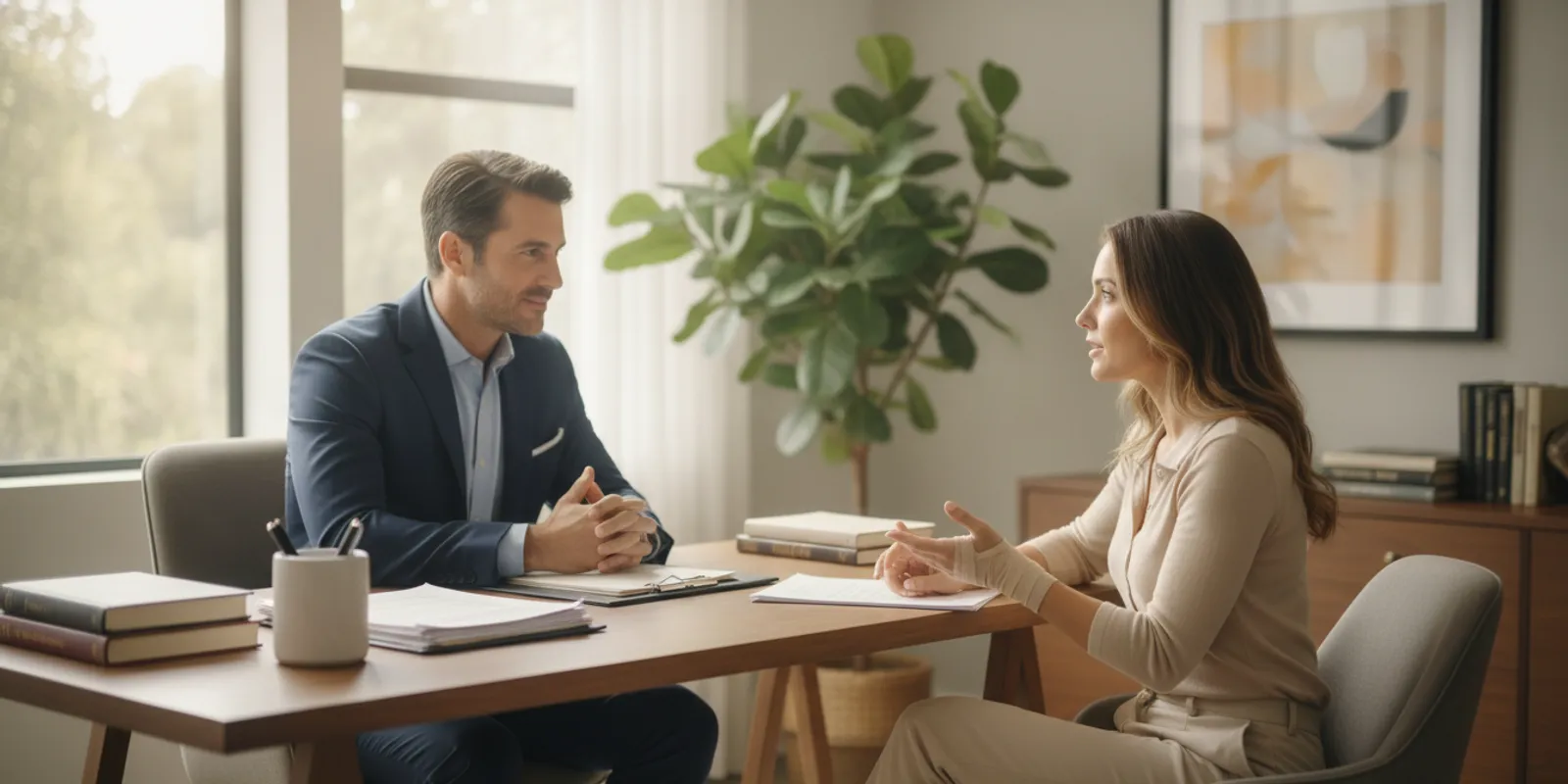
A consultation is a chance to understand the proposed working relationship. You can ask direct questions and consider whether the answers are clear, specific, and suited to your needs. For example:
- Who will be my main point of contact, and how can I reach that person?
- How is the attorney personally involved in investigation, case strategy, and communication?
- What should I do if an insurer contacts me or I receive new medical information?
- How will I receive updates, and what is a reasonable way to ask for one?
- What information is still needed before the firm can assess my matter?
- How does the fee agreement work, and what expenses or costs should I understand?
- Can the firm communicate in my preferred language and offer a virtual consultation if needed?
Listen for a process rather than a prediction. No lawyer can responsibly determine the outcome of a claim based on a brief conversation or guarantee a settlement. A careful explanation should distinguish between what is known, what remains to be investigated, and what factors may affect the next steps.
It can help to compare answers on the same points after each consultation. Write down the proposed communication method, who will handle strategy, what documents are needed, and what you still do not understand. One lawyer may explain a next step in detail, while another may need more facts before answering. A measured answer that identifies what cannot yet be known can be more useful than a confident prediction. Consider whether you felt heard and whether you know how to ask a follow-up question. These practical details affect your experience throughout a matter, even though they do not determine its legal outcome.
You can also verify an attorney's license through the State Bar of California attorney search. Search by the attorney's name or bar number and review the information shown in the official directory.
How are attorney fees and case costs discussed?
Many personal injury firms use a contingency-fee arrangement. Under this type of agreement, legal fees are tied to a recovery rather than billed as an upfront hourly retainer. The details matter: ask how the fee is calculated, how case expenses are handled, and what the agreement says if there is no recovery. Read the written agreement carefully and ask for an explanation of anything that is unclear before signing.
Mamanne Law states that clients pay no upfront legal fees and pay no legal fees unless the firm recovers compensation. That does not mean every case will recover money, and it is important to understand the specific written terms. You can review answers to common questions on the firm's personal injury FAQs and raise any remaining questions directly with the firm.
| Topic | What to ask | What to clarify |
|---|---|---|
| Legal fee | How is the fee determined? | The percentage or method and when it applies, as stated in the written agreement. |
| Case expenses | Which costs might arise while a matter is handled? | Who pays them, when they are due, and how they are treated if there is no recovery. |
| Updates | How will I learn about important developments? | Your main contact, preferred method, and how to raise time-sensitive questions. |
| Evaluation | What can be assessed at the first meeting? | What is known now, what information is missing, and what may require investigation. |
Ask for the written agreement before making a decision, and read each section about fees and costs at your own pace. You can ask whether case expenses are deducted from a recovery, how they are tracked, and whether the agreement explains what happens if there is no recovery. Do not rely on a verbal shorthand if the wording in the document is unclear; ask for the specific provision to be explained. If you compare firms, use the same questions with each one. The goal is to understand the terms you would accept, not to assume that every firm handles fees or expenses in the same way.
What kinds of help may be relevant after a traffic collision?
The work depends on the facts and the type of crash. A car collision may require reviewing accounts of the event, insurance communications, and vehicle damage. A truck collision can raise additional questions about the vehicles and people involved. A pedestrian, bicycle, or motorcycle crash may require careful attention to scene evidence and the different perspectives of those involved.
Not every issue is apparent immediately. Evidence may need to be identified and preserved, and injury-related information can develop over time. A lawyer can explain which details may matter to your particular circumstances and what the firm can do to investigate. Mamanne Law provides information about car accident matters, truck collisions, and pedestrian injuries on its service pages.
As the matter moves forward, you may need help organizing records, communicating with insurers, addressing vehicle damage, or coordinating information about medical care. Ask what support is available and what remains your responsibility. Clear expectations help you know where to direct questions and what information to keep.
The type of crash can shape what information may be useful to preserve. For example, a driver may have photographs of vehicle positions or damage, while a pedestrian may remember nearby businesses or people who could have seen the event. A bicycle or motorcycle rider may have equipment or clothing that should be documented. Do not put yourself at risk to collect evidence or return to a scene. Tell the attorney what you already have and ask whether any additional information should be preserved. The attorney can explain how the facts relate to the investigation and what steps are appropriate for the particular matter.
What should you expect during a case evaluation?
The attorney will typically ask you to describe what happened, your injuries and treatment so far, the insurance information you have, and any communications or documents you received. Be as accurate as possible. If you do not know an answer, say so. The purpose is to understand the situation and identify what should be reviewed, not to pressure you into having every detail resolved at the first meeting.
You should also have time to explain what you need from a lawyer. Perhaps you want help understanding a letter, a path for handling insurance calls, or a clear point of contact. If you prefer Spanish, need a virtual meeting, or have difficulty traveling, mention that when arranging a conversation. Mamanne Law says consultations can be conducted in person or virtually, and at-home or hospital consultations may be available when relevant.
Before the conversation ends, make sure you understand the next step. That might be providing a document, waiting for a review, asking a question about the fee agreement, or deciding whether to move forward. You are entitled to understand what is being proposed before making a decision.
A helpful evaluation should leave you with a clearer list of open questions, even when the attorney cannot yet reach a conclusion. You might ask what facts the attorney needs to review next, whether you should send a particular letter or photograph, and how you will be told about developments. If you decide to proceed, confirm how to share sensitive information and whom to contact if an urgent issue comes up. If you need more time to read an agreement or consider the conversation, ask for it. You can make a decision once you understand the proposed relationship and the terms.
How can you keep important details organized while a claim is reviewed?
When several people or organizations are involved, it is easy to lose track of dates and requests. A simple folder, whether on paper or on your phone, can help you keep the information you already receive in one place. Save copies of insurance letters, repair documents, appointment summaries, photographs, and messages. Make a brief note after important calls with the date, the person's name, the number called, and what was discussed. Keep the note factual and separate what you observed from what someone else told you.
A timeline can also help you explain how events unfolded. Start with the collision and add later dates such as when you reported it, when a vehicle was inspected, and when you sought care. You do not have to decide what each detail means. The point is to make it easier to answer questions accurately and identify what needs follow-up. If you discover that an earlier note was wrong, add a correction rather than trying to hide or rewrite the history.
Store sensitive records carefully and share them only through a channel you understand. If you are unsure why someone is requesting a document or how it will be used, ask before sending it. An attorney can explain what information may be useful and how to provide it securely. Good organization does not determine whether a claim succeeds, but it can make conversations about the facts more focused.
You can make the folder easier to use by keeping a short index at the front. List the dates of major events and the matching file name or paper section. Keep photos grouped by date and note who took them, if known. Save the original message or letter instead of relying only on a summary, and distinguish an insurer's stated deadline from a date you calculated yourself. For example, label a note as “adjuster called on Tuesday; requested photos” rather than writing an opinion about what the call means. This small habit can help you answer follow-up questions clearly and locate the underlying record without searching through every item.
How should you respond when an insurance company contacts you?
Insurance calls and letters can arrive while you are still learning about the collision and your injuries. Note who contacted you, which company they represent, what they requested, and any stated response date. Do not guess at details you cannot remember. If you need time to review a request or do not understand a document, ask for clarification. If you have retained counsel, ask your attorney how communications should be handled. The best response depends on the request and circumstances; a general guide cannot tell you what to say in a particular claim.
Keep copies of written communications and make a record of any follow-up you send. A calm, organized approach can help you avoid confusion about what was requested and when. If a letter appears urgent, do not ignore it: promptly ask a qualified attorney about the issue and any applicable deadline.
Frequently Asked Questions
When should I contact a personal injury lawyer after a Los Angeles crash?
You can ask for an evaluation when you have questions about the collision, an insurer's request, or the process. Time limits can apply to legal claims, and the relevant deadline depends on the facts and parties involved. Because deadlines vary, do not rely on a general article to calculate yours; ask a lawyer about your specific situation.
Do I need every medical record before requesting an evaluation?
No. Share the information and documents you have, and explain what is missing. An attorney can tell you what may be useful to review next. Continue to follow your medical providers' guidance about care.
Can I meet with an attorney remotely?
Mamanne Law offers virtual consultation options. Ask the firm which formats are available and what documents, if any, would be helpful to have ready.
Does an attorney guarantee that I will receive compensation?
No responsible attorney can guarantee a result. Whether compensation may be available depends on the facts, evidence, applicable law, and other factors. An evaluation can help explain what is known and what still needs to be assessed.
Contact Mamanne Law to discuss your situation
Ready to discuss an injury in Sherman Oaks?
If you are considering a personal injury lawyer in Los Angeles, focus on clear communication, a well-explained process, and an attorney relationship that fits your needs. Mamanne Law serves clients in Sherman Oaks and across California, with Benjamin Mamanne personally involved in matters from investigation through resolution. Reach out with your questions and decide what next step makes sense for you.