
Articles · General information
West Hills Personal Injury Attorney: Fighting Local Accident Victims | Personal Injury Attorney California
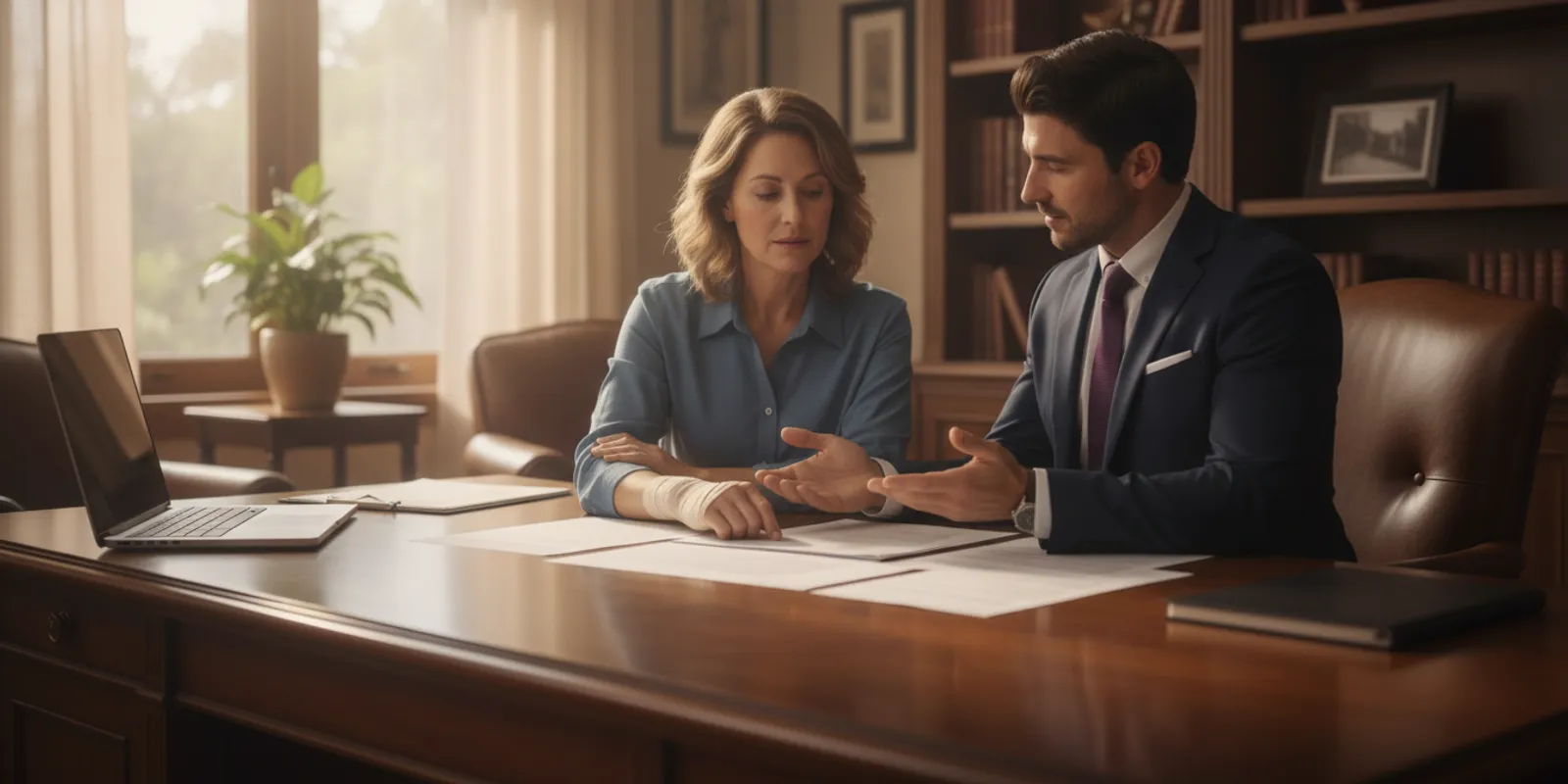
Choosing a personal injury attorney California residents can speak with after a crash near West Hills may feel difficult when you are also dealing with an injury. A useful first conversation should help you understand who will handle your matter, how updates work, what information may be needed, and how legal fees are explained. You can discuss your situation with Mamanne Law and decide whether the firm’s approach fits your needs.
What should a personal injury attorney in California help you understand?
An initial conversation should give you a clearer picture of the process, not pressure you to make decisions before you understand them. A personal injury attorney can ask about the collision, your injuries, the people or businesses involved, and any insurance contact you have received. The attorney can then explain whether the facts suggest a matter the firm may be able to review, what additional details could be important, and what a next step might look like.
Every situation is different. A crash involving two passenger vehicles may raise different questions from a commercial truck collision, a motorcycle crash, or an incident involving a person walking or riding a bicycle. Even cases that sound similar can differ in evidence, responsibility, injury care, insurance coverage, and timing. A careful evaluation considers the facts of your situation rather than assuming that one case follows another.
It is reasonable to expect clear answers about practical matters, such as who your main attorney contact will be, how to share documents, and how often you can expect updates. You should also have an opportunity to ask about the fee arrangement before deciding whether to hire counsel. For an overview of the firm's approach and injury matters it handles, visit the Mamanne Law personal injury page.
You can make the opening discussion more useful by briefly organizing the story before the call. Start with the date and location, then describe the sequence of events in the order you remember them. Separate what you personally saw from what someone else told you. For example, note that you saw the other vehicle enter the intersection, but identify separately if a witness later told you the light had changed. That distinction helps the attorney understand what is firsthand information and what may need confirmation.
Then summarize what happened afterward: whether a report was made, whether an insurer contacted you, what medical care you have sought, and whether you have photographs or messages. You do not need to draw legal conclusions or identify every person who might be responsible. A clear, honest account—including details you are uncertain about—is more useful than trying to present a polished argument.
How can you compare attorneys serving West Hills and California?
A law office's location can be convenient, but distance by itself does not tell you who will work on your matter or what communication will feel like. When comparing a personal injury attorney in California, focus on how the attorney learns about your situation and whether the working relationship is clear. People in West Hills and the wider San Fernando Valley may also want to ask whether meetings can take place virtually or in person.
Consider these points during an initial discussion:
- Attorney access: Ask who will explain strategy and answer questions as the matter moves forward. Clarify how directly the attorney will be involved in important decisions and communication.
- Case-specific evaluation: Notice whether the attorney asks about the actual event, your treatment, and any insurance communications, rather than offering confident conclusions before hearing the details.
- Communication plan: Ask how you can reach the firm, who responds to routine questions, and how you will receive meaningful updates.
- Relevant experience: Ask how the attorney approaches cases involving the kind of crash or road user involved in your situation. The goal is to understand the process, not to rely on a slogan.
- Scope of support: Find out what assistance may be available with reporting a claim, gathering information, property damage issues, medical-treatment coordination, paperwork, and insurer communications.
- Fee terms: Ask the attorney to explain the written agreement, when a fee may be owed, and how case costs are addressed. Do not rely on assumptions based on another firm’s arrangement.
To compare answers fairly, write down the same core questions for each conversation and leave room for specific answers. For instance, instead of noting only “good communication,” record who will contact you, what channel to use, and what the firm says about routine updates. If one office explains what happens when there is no new development and another gives no clear answer, that difference may matter to you. You are comparing the clarity and fit of the working relationship, not trying to predict a result.
For a closer look at who leads the firm, read about Benjamin Mamanne and the attorney-led approach. Mamanne Law serves clients across California, with a primary focus on Northridge, the San Fernando Valley, and Greater Los Angeles. The firm offers communication in English and Spanish and can discuss virtual consultations where appropriate.
Which questions help you understand who will handle your matter?
The person you speak with at the start may not be the only person involved in the work. Ask how the firm is organized and how attorney involvement continues after the initial evaluation. You are entitled to understand who is responsible for explaining decisions, responding to your questions, and keeping you informed. A direct answer can help you decide whether the relationship matches your preferences.
Useful questions include:
- Who will be my primary attorney contact?
- How will you keep me updated if there is no major development?
- How can I reach the attorney when I have a time-sensitive question?
- Who will discuss important case decisions with me?
- How should I send documents, photographs, or insurance letters?
- Can I communicate in Spanish if that is easier for me?
- What happens after I sign an agreement, if I choose to move forward?
Listen for an explanation you can follow. You do not need to know every legal term to evaluate whether someone is communicating clearly. If an answer is unclear, ask the attorney to explain it in everyday language. You can also ask to review the written agreement at your own pace and raise questions before signing.
It can help to ask for a simple outline of the next few steps after the initial evaluation. The answer may depend on the facts, but you should be able to learn what the firm would need from you, how documents are handled, and who will explain important choices. Ask how the firm distinguishes routine administrative communication from decisions that need the attorney’s attention. If you have a preferred way to receive updates—such as a phone call, email, or text—say so and ask whether that can be accommodated.
If English is not the language in which you are most comfortable discussing details, ask whether you can have the conversation in Spanish and how later communications will work. You may also want to ask whether you can include a trusted person in a discussion, while being clear about your own preferences for privacy and direct communication. These are practical questions about understanding and access, not signs that you need to know legal terminology before you speak with counsel.
Learn more about the firm's background and service philosophy on the About Mamanne Law page. These details can help you prepare for a conversation, but they do not replace asking how your particular matter would be handled.
How do fees and case costs work?
Many personal injury matters are handled under a contingency-fee agreement. Under Mamanne Law’s stated arrangement, clients pay no upfront legal fees and pay no attorney fee unless the firm recovers compensation. This does not mean that every matter will result in a recovery, and it is important to understand the agreement before representation begins.
Ask the attorney to explain the written terms in plain language. In particular, clarify how the fee is calculated, how case expenses are treated, what happens if there is no recovery, and whether you could be responsible for any costs under the agreement. Fee language can vary, so do not assume that a description from another law office applies to this firm or your situation. If something is unclear, ask for a specific explanation before signing.
It may help to read the agreement in sections rather than focusing only on the percentage or fee description. Ask what event triggers the calculation, how expenses are recorded, and how those expenses are handled if the case does not result in a recovery. Also ask whether costs are separate from attorney fees and how the final accounting would be explained. You are not expected to know the meaning of every clause on your own; request clarification or time to review it before making a decision.
A consultation is also a chance to understand what the firm can and cannot promise. No lawyer can responsibly guarantee a particular result based only on an early account of an incident. Case outcomes depend on the evidence, applicable law, insurance issues, and other facts that may take time to evaluate. Be cautious of anyone who gives you certainty without first reviewing relevant information.
What should you bring to an initial case evaluation?
You do not need to assemble a perfect file before reaching out. Share what you know, and ask what information would help the attorney assess the situation. If available, the following items may make the conversation more focused:
- The date, approximate time, and location of the crash or incident.
- Names and contact details for other involved people and any witnesses you know about.
- Photographs or video showing vehicles, the scene, visible injuries, or property damage.
- Police or incident report information, if a report was made.
- Insurance details and letters, emails, or texts you have received.
- Information about medical care you have already sought or appointments that are scheduled.
- A short timeline of what happened and questions you want answered.
A simple folder or digital set of folders can keep the material manageable. You might separate scene photos, insurer correspondence, report details, and care-related records, then use dates in file names if you know when an item was created. Keep original photographs and messages where possible rather than editing them; if you make notes about an event, label them with the date you wrote them. This organization is for your own reference and does not require you to interpret what any document means.
Before sending sensitive material, confirm the method the firm wants you to use. If you receive a request for documents, ask whether the entire record is needed or whether a particular letter or page is enough for the first discussion. Keep copies of what you send and note when you shared it. If a document is missing, say so plainly instead of trying to reconstruct it from memory or delaying the conversation until everything is collected.
Do not delay asking for help simply because a document is missing. Tell the attorney what you have and what you do not have. The firm can explain whether a particular item may be useful and how to provide it securely. For frequently discussed questions about personal injury matters, you can also review the firm's personal injury FAQs.
How can the process differ by type of traffic incident?
Not every traffic-related injury claim follows the same path. The basic questions may include what happened, who may have contributed, what evidence is available, what injuries and losses are being documented, and which insurance policies may apply. But the details differ by incident type and should be assessed individually.
| Incident type | Details an attorney may ask about | Potential records to discuss |
|---|---|---|
| Passenger vehicle collision | Vehicle positions, sequence of events, road conditions, and accounts from those involved | Photos, report details, insurance letters, repair estimates, and care records |
| Commercial truck crash | Vehicles and parties involved, the circumstances of the trip, and what evidence may exist | Scene photographs, report information, witness details, and available insurance communications |
| Motorcycle collision | How the collision occurred, visibility and roadway conditions, and the injuries reported | Photographs, helmet or equipment information, witness contacts, and treatment documentation |
| Pedestrian or bicycle crash | Where the person was traveling, vehicle movements, location, and witness accounts | Scene images, nearby camera information if known, report details, and care records |
| Rideshare-related crash | Which vehicles and drivers were involved, the trip circumstances, and insurance contacts | Trip details, messages, report information, photographs, and insurer correspondence |
Use the table as a way to remember topics, not as a list of requirements. For example, a person involved in a bicycle collision might have photos of the roadway but no information about a nearby camera. You can mention what you observed and where a recording might exist, if known, without trying to obtain material you cannot access. A person in a vehicle collision may have insurer letters but no report number yet. The attorney can ask follow-up questions based on what is available and explain which next steps are appropriate.
Some records are controlled by other people or organizations, and not every item in the table will exist in your situation. Do not assume that the absence of one type of record prevents a discussion. Describe what you recall, identify documents you already have, and ask the attorney whether there are other facts worth noting. Mamanne Law provides information about car accident matters, truck accident matters, and motorcycle accident matters on its site.
What if an insurance company contacts you?
An insurer may contact people involved in a collision to ask questions or request information. Before responding, make sure you understand who is calling and which claim they are discussing. Keep copies of letters and messages, write down the date of conversations, and ask for requests in writing if that would help you keep track. Do not guess when you do not know an answer; it is fine to say you need to check your records.
For an organized record, note the caller’s name, company, phone number, claim reference if provided, and the date and time of contact. Write down what was requested and any deadline stated, then save the original letter or email. If you are unsure whether a message is genuine, use a contact method you can independently verify rather than sharing personal information through an unexpected link or caller. Keep your notes factual; avoid adding conclusions about fault or the value of a claim.
If you are unsure how to handle a particular request, explain the situation during a legal consultation and ask what options you have. An attorney can review the facts and discuss how insurer communication may relate to your matter. Avoid sharing private information through an unverified channel, and do not sign a document you do not understand. This article offers general information, not legal advice about a specific claim.
How can you check an attorney’s public license record?
You can ask an attorney for their full name and license information, then consult the State Bar of California’s public attorney records. The linked State Bar licensee page is an example of a public attorney record, but it is for a different attorney and does not verify Benjamin Mamanne. Make sure any record you look up matches the attorney you are considering. A directory entry is one point of verification; it does not tell you whether an attorney is the right fit for your needs, so also ask about communication, case handling, and written fee terms.
During an evaluation, the attorney should be able to discuss your questions without guaranteeing an outcome. Consider whether you understand the answers and feel comfortable asking follow-up questions. If you want to speak with Mamanne Law, you can request a call back or reach the firm through its contact page.
Frequently Asked Questions
Can I speak with a lawyer before I have every document?
Yes. You can describe what happened and identify the records you already have. Tell the attorney what is missing, and ask whether there is anything specific to gather. Do not assume you must complete a full file before asking for an evaluation.
Does an initial conversation mean I have hired the firm?
No. A conversation lets you share information and ask questions. Representation begins under the terms of a written agreement, so read it carefully and ask about anything you do not understand before signing.
Does the firm handle cases outside West Hills?
Mamanne Law serves clients across California, with a primary focus on Northridge, the San Fernando Valley, and Greater Los Angeles. Ask the firm whether it can review the facts and location of your particular matter.
Will an attorney tell me what my case is worth during the first call?
A responsible evaluation should not promise a particular case value or outcome. The facts, evidence, injuries, and insurance issues need to be reviewed, and some information may not be available at the outset.
Contact Mamanne Law to discuss your situation
Ready to discuss an injury in West Hills?
Choosing legal counsel is a personal decision. Take time to understand who will be involved, how communication works, what the fee agreement says, and whether you feel heard. Mamanne Law is an attorney-led California personal injury firm, and Benjamin Mamanne is directly involved in matters from the initial evaluation through case resolution. Learn more about the firm’s California service areas or contact the office to discuss your situation.
Clear answers and a thoughtful review of the facts can help you decide what next step feels right for you.